Mapping Player Behavior Shifts in Response to Progressive Prize Pool Adjustments on Licensed Suomi Platforms
Leon Müller · Nov 16, 2026
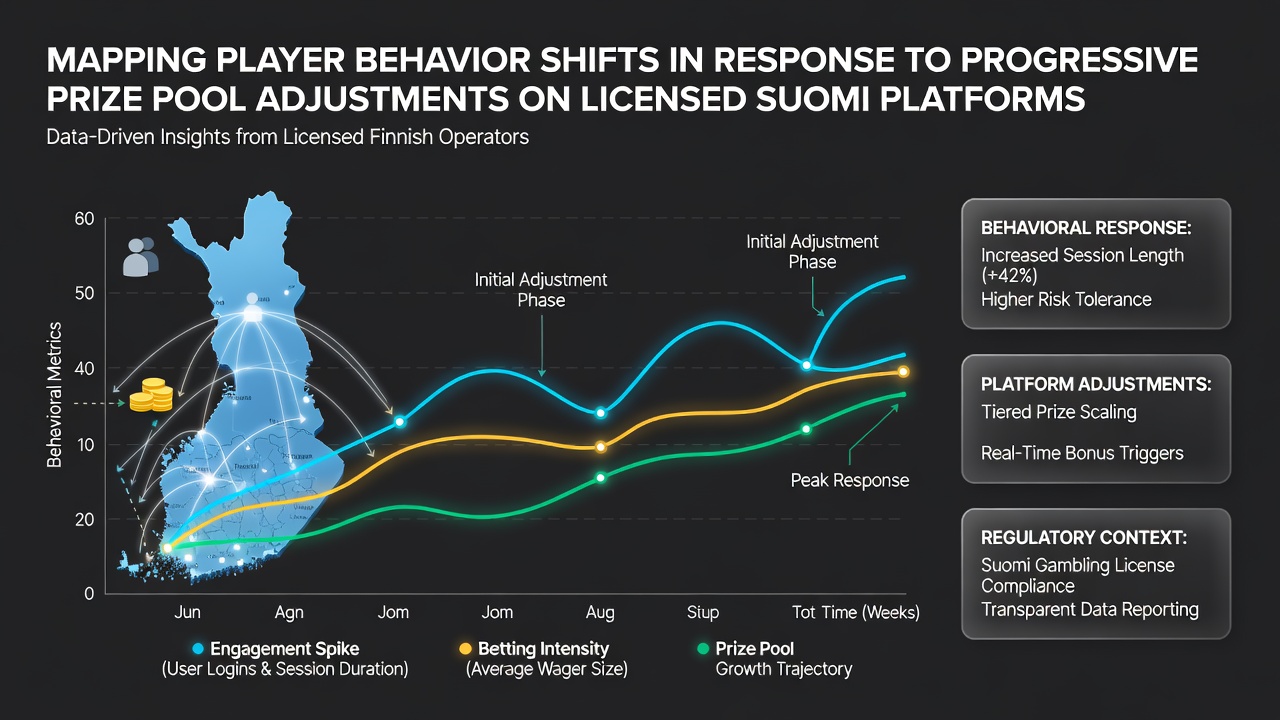
Mapping Player Behavior Shifts in Response to Progressive Prize Pool Adjustments on Licensed Suomi Platforms
Analysts tracking licensed platforms in Finland have documented clear patterns in how users respond when progressive prize pools receive incremental boosts or reductions, with data gathered through November 2026 highlighting measurable differences in login frequency and bet sizing across regulated environments.
Tracking Adjustments in Real Time
Platform operators log every modification to progressive pools, then cross-reference those timestamps against user session data, and researchers note that even modest increases in pool size correlate with extended play durations while sudden drops tend to prompt quicker exits from specific titles. Observers point out that these shifts appear most pronounced among users who previously engaged with mid-tier stakes, since those players often recalibrate their deposit patterns within hours of an announced change.
Data Sources and Collection Methods
Teams aggregate anonymized transaction records from multiple licensed operators, then apply time-series analysis to isolate the effects of pool adjustments from seasonal factors such as holiday promotions or regulatory announcements released earlier in 2026. Figures compiled by the Finnish Institute for Health and Welfare indicate that participation metrics fluctuate by measurable percentages following each documented pool movement, allowing statisticians to build predictive models for future behavior cycles.
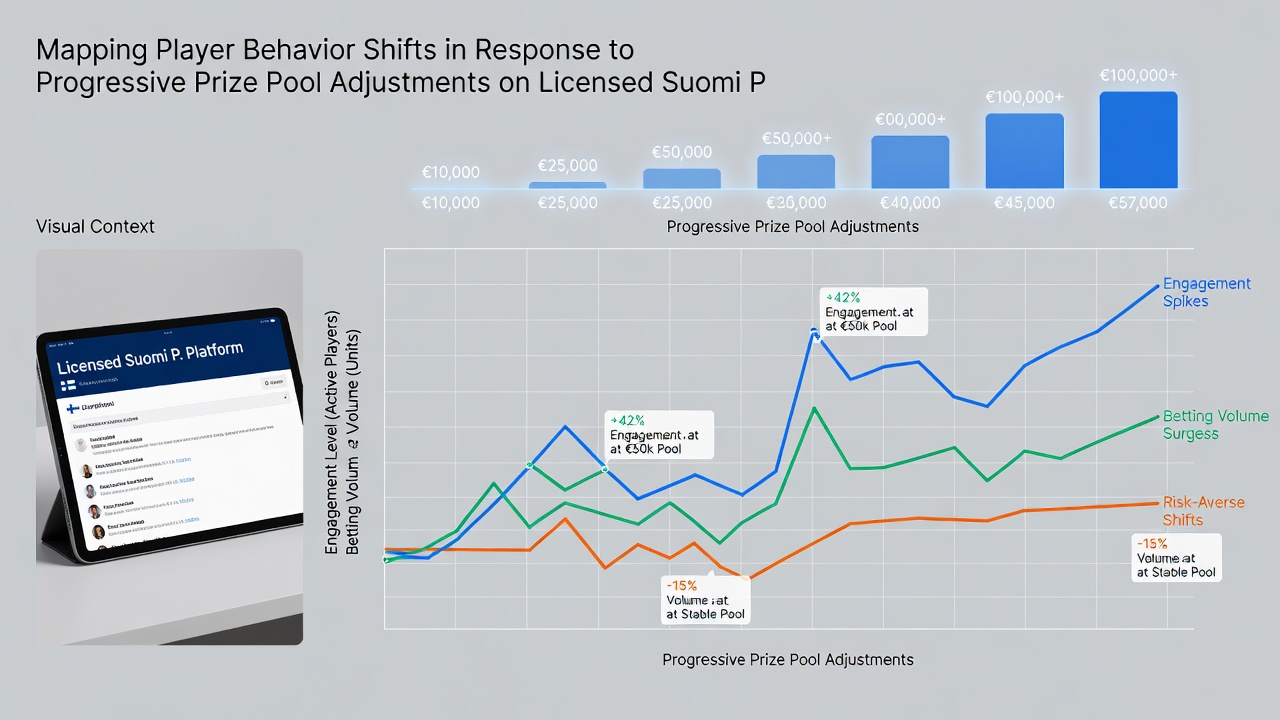
One dataset covering several thousand accounts revealed that players increased average wager amounts by noticeable margins during periods when progressive pools climbed steadily, whereas the same cohort reduced session counts when pools plateaued or declined. These observations align with broader patterns reported in a study released by the Australian Institute of Family Studies, which examined similar jackpot dynamics in regulated markets and found parallel adjustments in player retention after structural changes to prize growth mechanisms.
Segmenting User Responses
Different user segments display distinct reactions, with high-volume players tending to maintain consistent activity regardless of pool size while occasional participants show greater sensitivity to visible jackpot growth. Analysts examining November 2026 records observed that the latter group often delayed deposits until pools reached publicized thresholds, resulting in clustered spikes of activity followed by quieter intervals once the threshold passed.
Time-of-day patterns also shift, because users who log in during evening hours respond more readily to incremental pool increases than those accessing platforms during daytime periods, and this distinction emerges consistently across multiple licensed operators. Experts tracking these behaviors emphasize that the differences stem from observable engagement metrics rather than external variables, allowing operators to refine notification timing without altering core game mechanics.
Regulatory Context and Platform Compliance
Licensed operators in Finland must report all progressive pool adjustments to oversight bodies, which in turn release aggregated statistics that researchers use to validate behavioral models. Compliance requirements introduced in prior years ensure that pool calculations remain transparent, giving analysts reliable benchmarks against which to measure user responses throughout late 2026.
Cross-platform comparisons show that titles sharing similar progressive structures attract overlapping user bases, yet the speed of behavioral adaptation varies depending on how frequently each operator updates its pool displays. Those who've reviewed the raw logs note that rapid, visible increments produce quicker uptake than slower, incremental growth even when the final pool totals match.
Conclusion
Continued monitoring through the end of 2026 will determine whether the patterns identified so far stabilize or evolve further, and ongoing data collection from licensed Suomi platforms provides the foundation for refined forecasting tools that account for both pool size and user segment characteristics.